May 5, 2026
Egypt has long been recognized as a global leader in agricultural production, and among its most distinctive herbal exports is dried Molokhia. Known as jute leaves, Molokhia is valued for its vibrant green color, rich nutritional profile, and versatility across international cuisines. Today, Egyptian companies are transforming this traditional plant into a premium export product that meets global standards and satisfies growing international demand for natural, healthy foods.
Origins and Historical Significance:
The story of Molokhia reads like a culinary fairy tale. Ancient Egyptians called it “the vegetable of kings,” and legend has it that Egyptian royalty consumed it for its health-giving properties. The name “Molokhia” itself derives from the Arabic word “Mulukiyyah,” which literally means “of the kings.” From Egypt, this remarkable plant spread throughout the Levant, North Africa, and eventually to other parts of the world where Middle Eastern communities settled.
Egyptian Quality Advantage:
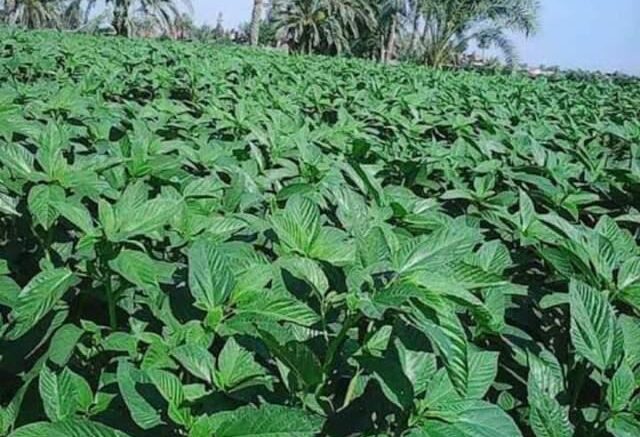
Egypt’s fertile soil, particularly around the Nile region, combined with optimal sunlight and climate conditions, provides the perfect environment for cultivating premium Molokhia. Careful harvesting at the right maturity stage ensures maximum nutritional value, vibrant color, and superior leaf quality .
Global Recognition of Molokhia:
Molokhia is widely known across different regions under various names, reflecting its global popularity. It is commonly referred to as Molokhia or Jute Leaves in international markets, while in Africa it is known as Lalo, Ewedu, and Ayoyo. In Asia, it is recognized as Saluyot and Patua. Scientifically, it is identified as Corchorus olitorius, making it a globally recognized and versatile leafy product.
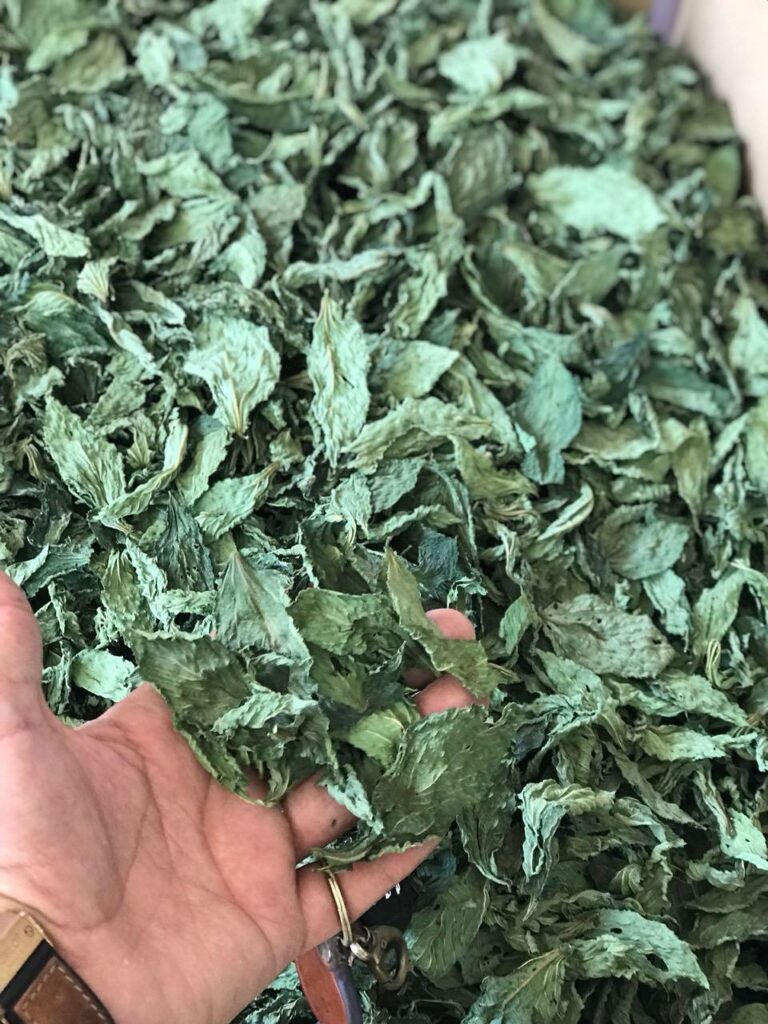
Nutritional Profile of Dried Molokhia:
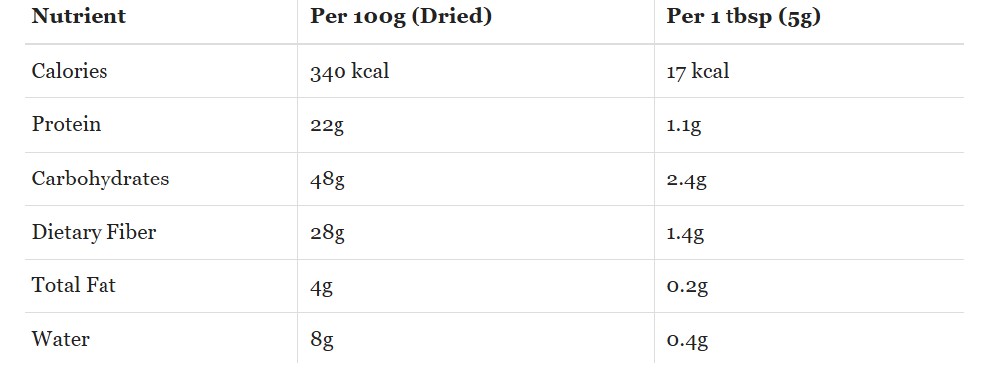
Let’s talk numbers, because dried Molokhia is genuinely impressive when you break down what’s inside those crumbled leaves.
Macronutrients Breakdown Dried Molokhia is remarkably low in calories yet packed with nutrients. Here’s what makes it nutritionally exceptional:
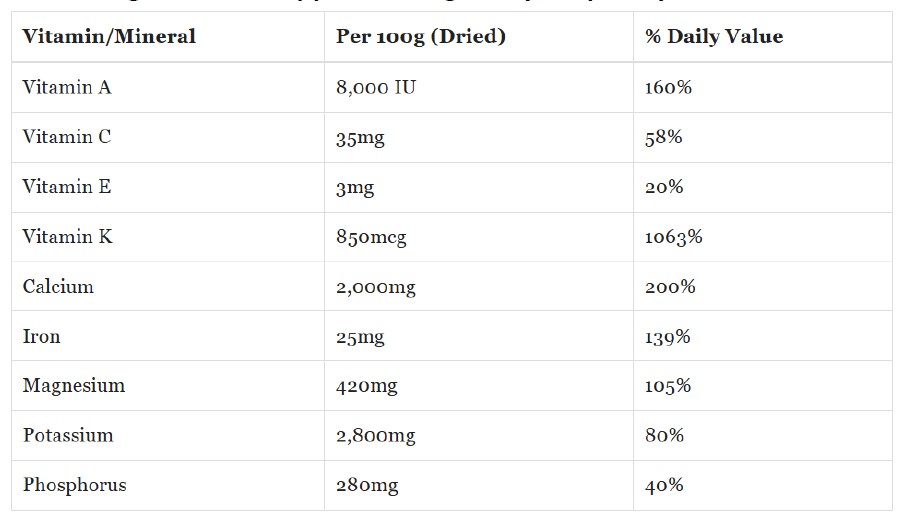
Vitamin and Mineral Content:
What really sets dried Molokhia apart is its micronutrient density. It’s like having a natural supplement right in your pantry:
Nutritional Differences :
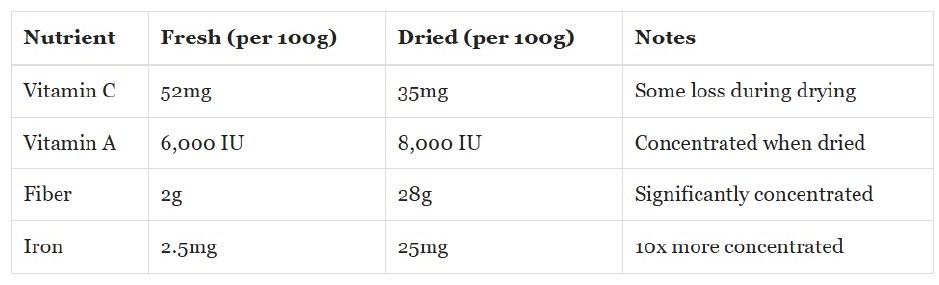
Fresh Molokhia is about 90% water, which means that gram for gram, dried Molokhia contains roughly 10 times more concentrated nutrients. However, some heat-sensitive vitamins, particularly vitamin C, decrease during the drying process. Here’s a quick comparison:
Professional Processing & Drying:
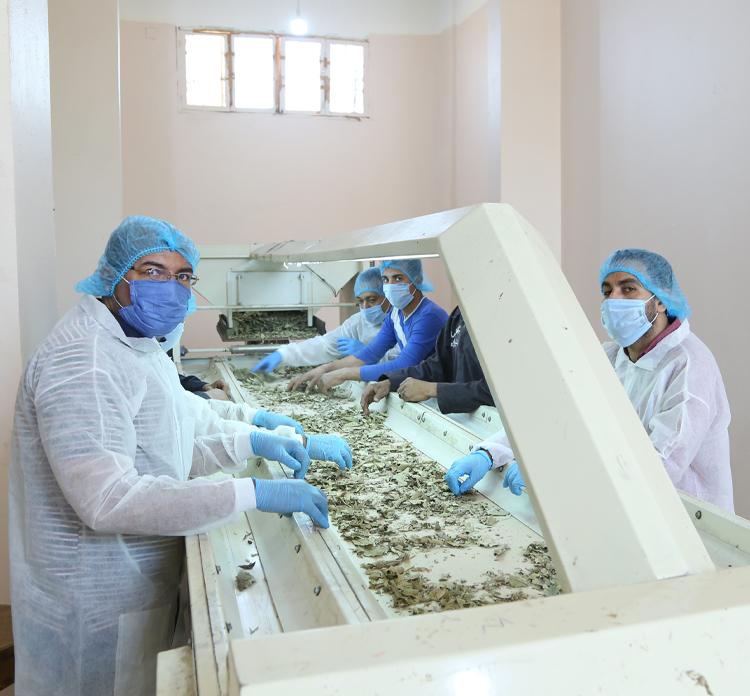
Egyptian exporting companies follow advanced and hygienic processing methods to maintain top quality:
– Careful washing and sorting to remove impurities
– Controlled drying techniques to preserve color, aroma, and nutrients.
– Strict hygiene and food safety protocols.
– Compliance with international certifications such as HACCP and ISO These practices ensure a consistent, export-ready product with extended shelf life and excellent rehydration properties.
Conclusion:
Dried Molokhia represents a perfect combination of tradition, nutrition, and commercial value. As global demand for natural and functional foods continues to grow, Egyptian companies are uniquely positioned to deliver premium-quality molokhia that meets international standards and creates strong opportunities for global partners.